- The Noise Gate by Podcast Movement
- Posts
- 🎤 The Radiolab Test: Can You Feel the Surprise?
🎤 The Radiolab Test: Can You Feel the Surprise?
Presented by Acast
Presented by Acast
What you make reveals what you value.
⚠️ What’s Your Risk Tolerance?
Risk tolerance is about knowing how much truth, novelty, and discomfort you’re willing to allow into your podcast. The safest choice usually feels like professionalism. But safety has a sound. It’s predictable. Polished. Forgettable.
Raising your risk tolerance means nudging past what feels respectable and into what feels honest.
Say the thing you’d normally soften.
Let the silence linger.
Try a structure that might confuse before it clarifies.
Trade better protection for better bets and see where it takes you.
🎙️ Signal Flow: Simon Adler
Industry game changers and valiant minds share their wisdom, adversities, and paths to innovation.

Simon Adler has spent the past decade making Radiolab. Today, he makes WINDSTAR.
In a hurry? Here are key takeaways from Simon’s interview:
Use your body as a compass. If a moment doesn’t create surprise, curiosity, or tension in you, it probably won’t for the listener either.
Diagnose problems, not solutions. Listener feedback is gold, but pay attention to where people get confused or bored, not how they think you should fix it.
Make the abstract concrete. Ideas don’t make good audio. Scenes do. Find the place, the person, or the moment that turns theory into experience.
Let go sooner. Not every idea wants to be a podcast. Setting deadlines for story viability saves creative energy for work that actually clicks.
Editor’s note: The following interview has been edited for flow and clarity.
I didn’t have a master plan for getting into audio. I started out as an international freelancer, living in South America, working in restaurants, finishing my Spanish fluency, and trying to figure out what came next.
I loved public radio. I played in bands, so I knew audio. And I noticed something important: There were stories happening in places where very few people were reporting. Venezuela was starting to fall apart, and I thought, someone should be covering this. So I bought a mic and moved to Caracas.
I started pitching anyone who would listen. Eventually, I landed a story on The World, a BBC/PRI show. Then I moved to Ireland and did the same thing for Deutsche Welle. Piece by piece, I built a portfolio. That led to a Radiolab internship, then freelancing, then time at This American Life.
I kept pitching Radiolab until, eventually, they said yes. I spent the next eleven years there making narrative radio documentaries in that voice and style.
The lesson I take from that path is simple: Just start making things. And be strategic about where you do it. Look for stories no one else is telling, or can tell, and go there.
A lot of my job eventually became about feedback. The first thing I’m always listening for isn’t solutions, it’s reactions. Where was I confused, where was I bored, where did I lean in? That’s the first layer.
From there, you can diagnose why something isn’t working. Only after that do solutions start to make sense. People often give notes in the form of fixes, but it’s the problem they’re pointing to that matters. Especially when that feedback comes from people outside the industry because they’re the audience.
When something isn’t landing in an interview, I usually move between two approaches. One is to make the person forget they’re being interviewed, to turn it into a real conversation. The other is to be completely upfront, to explain why I’m asking a question and how it needs to work on the radio. Sometimes saying, this is what I need from you, is the most honest and effective move.
One trick I’ve learned is asking people to switch to the present tense. If someone is telling a story they’ve told a hundred times, asking them to relive it, to walk through it as if it’s happening now, can unlock something real.
(continued below)
……………………..

Earn more from every episode. Acast gives established creators all the tools and insights to maximize podcast revenue without the extra work.
……………………..
(continued from above)
When stories break down, it’s often because an idea is compelling but not yet ready. I once worked on a segment about economists trying to calculate the dollar value of nature. It was a fascinating thought experiment, but it wasn’t working. What saved it was finding a real place where bees had disappeared and people were manually pollinating apple trees. Suddenly, the idea had a scene. Someone who had lived it, a dollar amount we could hang on it. That made all the difference.
Radio, especially narrative radio, is about making complex ideas understandable without dumbing them down. My rule is simple: If I can’t picture what someone is describing in my mind, it’s not working. I’ll stop them, back up, and rebuild the explanation together. If I can’t visualize it, listeners won’t be able to either.
That instinct also guides how I choose stories. I’m looking for a visceral reaction, that physical feeling of surprise. What the hell? I never thought of that. If something gives me that, and I think I can make other producers feel it too, then it has a chance of working for an audience.
Creatively, I try to stay open to surprise. I consume a lot of novel information from different places. Movies inspire me deeply, especially the way they communicate without words. Watching movies has made me more aware of how hard audio has to work. In radio and podcasting, we’re always trying to show, but we’re mostly telling. That forces you to find audio equivalents of visual techniques: a pause, a sigh, a shift in tone.
One skill audio teaches you is listening to every word. Truly listening. That’s not how most people listen most of the time, and it takes a lot of mental energy, but it’s essential. You also have to learn when to turn that skill off.
I’ve failed plenty. I’ve held onto story ideas for too long, chasing something that wasn’t there. Now I set deadlines. If an idea doesn’t pop within a few weeks, I let it go. Knowing when to stop is as important as knowing when to push.
An episode feels finished when nothing bothers me anymore, or when an editor tells me it’s good enough, or when it has to go out. Usually some combination of all three.
Recently, I left Radiolab after eleven years. I’m figuring out what’s next. One thing I’ve been working on is a project that blends audio documentary with indie rock sound collage. The question I’m trying to answer is whether music and story can be equal partners, not one serving the other. Something closer to opera than news. It’s a way of taking everything I’ve learned and pushing it somewhere new.
That’s where my head is now. Still listening. Still surprised. Still trying to make something that feels alive.
🎧 Podcast of the Week: How To Be a Better Human (TED)
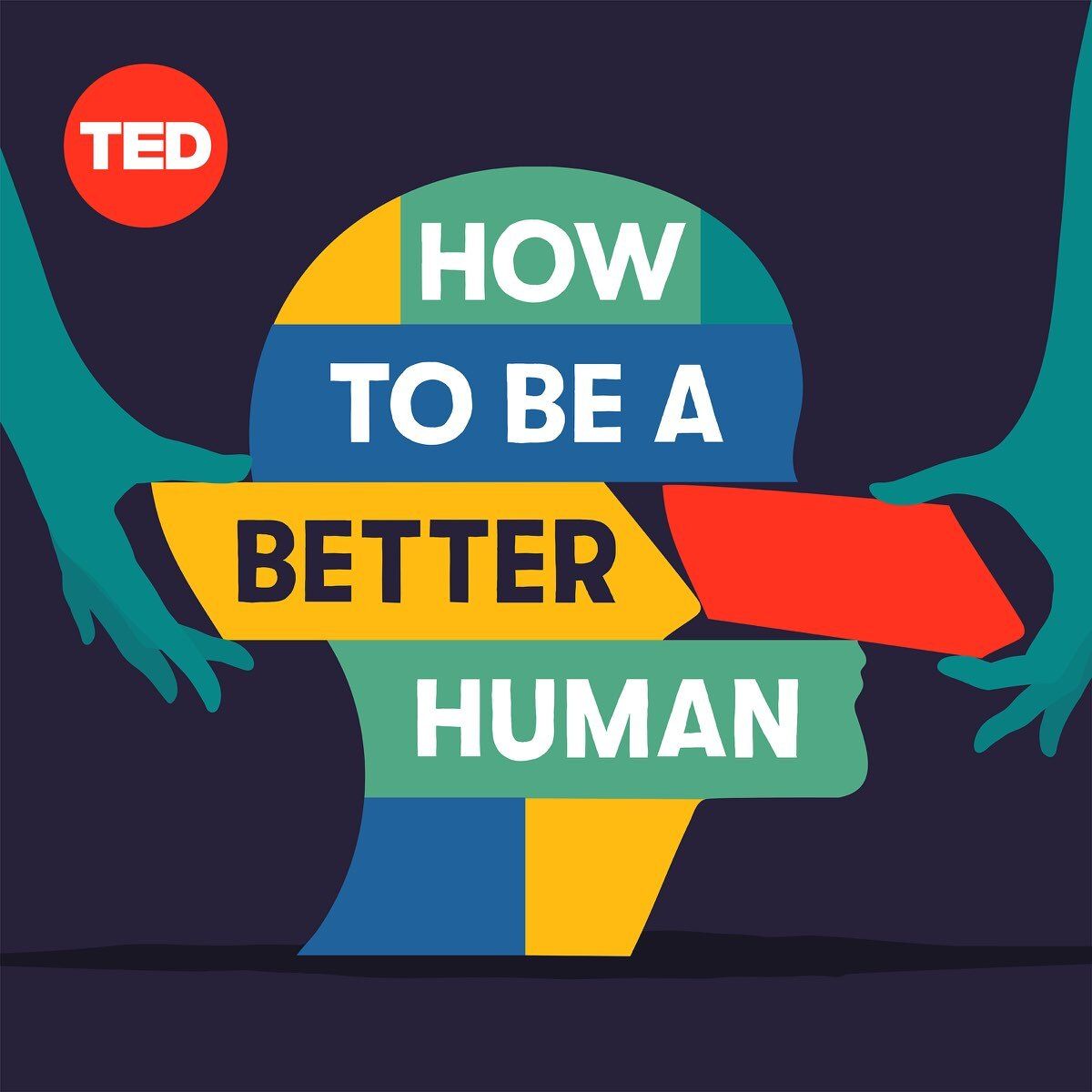
If you’re drawn to thoughtful conversations that actually help you live a little better, How to Be a Better Human delivers. Hosted by Chris Duffy, the show blends practical wisdom with big questions about work, relationships, and meaning without slipping into self-help clichés.
🥾 Further Exploration: Podcast Predictions for 2026 from 22 Industry Experts
This roundup gathers clear-eyed predictions from across the podcast industry about what’s coming next. From shifting formats to audience behavior and monetization, it offers a wide-angle view of where podcasting is headed, and what creators should be paying attention to now as they plan for 2026.
ICYMI:
💡 The Quiet Spark
A weekly question to ignite fresh thinking, stir self-reflection, and fuel your creative process behind the mic.
What part of your podcast are you holding onto that might need to be let go?
👍 Enjoying The Noise Gate? Why not share it with a fellow podcaster?

Until next time, have a bold week.
- Doug
For advertising information, contact Kristy at [email protected]